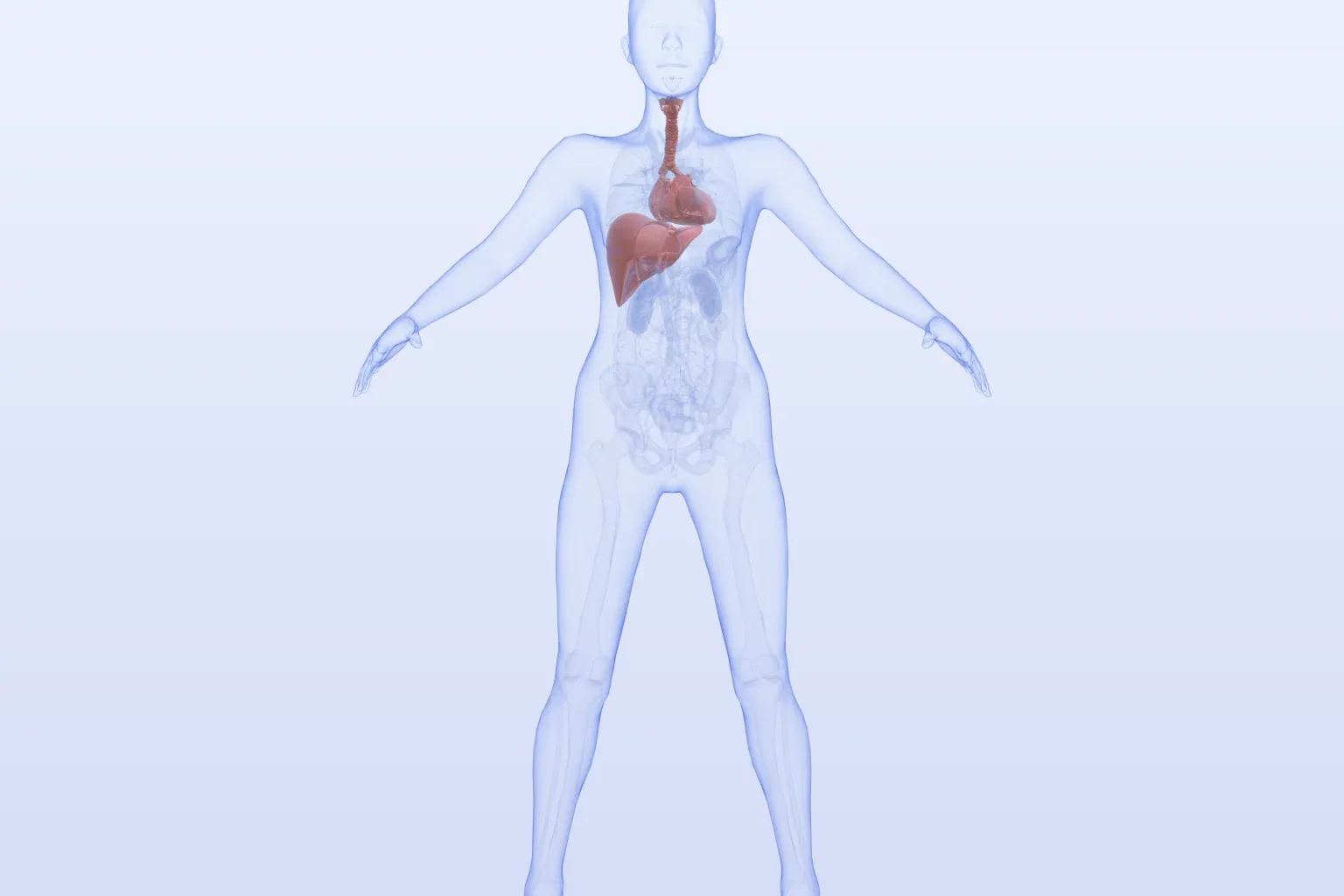
Genes explain much of the difference in BMI
- Published in
- NEJM 1990
- People studied
- 1,346
In a study of twins raised apart, genes explained about two thirds of the differences in BMI.
- Checked against
- PubMed 2336075
- Published in
- NEJM 1990
- Last checked
- 30 October 2026
Key takeaway
Researchers compared the BMI of 673 pairs of identical and fraternal twins, some raised apart and some together. Identical twins raised apart had very similar BMIs, and genes explained roughly two thirds to three quarters of the differences in BMI. Growing up in the same home made little or no difference later in life.
At a glance
- Type of study
- twin study
- People studied
- 1,346
- Compared with
- identical and fraternal twins, raised apart or together
- Main result
- Genes explained about two thirds to three quarters of BMI differences.
- Strength of evidence
- Long-term or observational studies
What this study does not show
It describes differences across a group, not one person's fate, and it does not mean weight cannot change. An older study of twins only.
Results from studies in groups of people, mostly in diet and movement programmes. They cannot be promised to any one person. This information is educational and does not replace a consultation with a doctor.
More on why
- Genes explain much of the difference in BMILong-term or observational studies · Stunkard et al., NEJM 1990
- Years of lifeLong-term or observational studies · Prospective Studies Collaboration, Lancet 2009
- Heart failure riskLong-term or observational studies · Kenchaiah et al., NEJM 2002
- Fatty liverLong-term or observational studies · Quek et al., Lancet Gastroenterol Hepatol 2023
- The body burns less after weight lossSmall or uncontrolled studies · Leibel et al., NEJM 1995
- Four or more illnesses at onceLong-term or observational studies · Kivimäki et al., Lancet Diabetes Endocrinol 2022
The next step is a conversation, not a decision
A licensed doctor decides whether any treatment is right for you. The answer can also be no treatment.
 1
You fill in a short form
 2
We call you within 24 hours
 3
A paid 20-minute video consultation with a doctor
 4
The doctor goes through your options and decides what is right for you