How losing weight can help, mapped to the body.
83 papers, sorted by part of the body. These are results from groups of people, not promises.

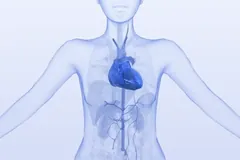
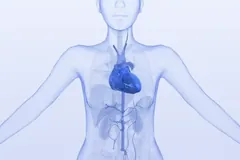
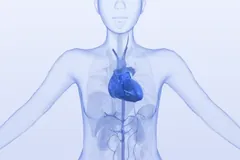
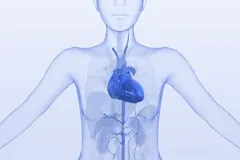
Heart (8)
In studies, on average. Not a promise for any one person.
- Lower blood pressureRandomised trials · Neter et al., Hypertension 2003
Blood pressure about 1 mmHg lower on average for each kilogram lost, across 25 trials.
- Better heart risk factorsLong-term or observational studies · Wing et al., Diabetes Care 2011
In 5,145 people with type 2 diabetes, losing 5 to 10% in a year went with better blood sugar, blood pressure and blood fats than keeping a stable weight.
- Lower risk of high blood pressureRandomised trials · Stevens et al., Ann Intern Med 2001
In a trial of 1,191 adults, a weight-loss programme lowered the risk of high blood pressure by 19% over 3 years.
- Lower risk of serious heart eventsLong-term or observational studies · Gregg et al., Lancet Diabetes Endocrinol 2016
In 4,834 people with type 2 diabetes, losing at least 10% in the first year went with a 21% lower risk of serious heart events over about 10 years than keeping a stable weight.
- Fewer irregular heartbeat episodesRandomised trials · Abed et al., JAMA 2013
In a trial of 150 people with atrial fibrillation and overweight or obesity, those in a weight-management programme lost about 14 kg, against about 4 kg, and had fewer symptoms and episodes.
- Better heart risk markers from age 55Randomised trials · Salas-Salvadó et al., Diabetes Care 2019
In a trial of 626 adults aged 55 to 75 with several heart risk factors, a lower-calorie Mediterranean diet with more activity led to 3.2 kg lost in a year, against 0.7 kg. Waist, blood sugar and blood fats improved more too.
- No fewer heart attacks or strokes in one large trialRandomised trials · Look AHEAD Research Group, N Engl J Med 2013
In a US trial of 5,145 adults with type 2 diabetes and overweight or obesity, a lifestyle programme led to more weight loss. It did not lower the rate of heart attacks, strokes and heart deaths over about 10 years.
- Lasting heart risk gains, even with regainRandomised trials · Hartmann-Boyce et al., Circ Cardiovasc Qual Outcomes 2023
In 124 trials of weight-loss programmes, cholesterol ratio, blood pressure and blood sugar stayed lower for at least 5 years after the programme ended, though the gains shrank as weight came back.
Metabolism (7)
In studies, on average. Not a promise for any one person.
- Lower diabetes risk with each kiloLong-term or observational studies · Hamman et al., Diabetes Care 2006
In 1,079 people at high risk, each kilogram lost went with a 16% lower risk of diabetes over 3.2 years.
- Better insulin responseSmall or uncontrolled studies · Magkos et al., Cell Metab 2016
In a small randomised trial, losing about 5% of body weight improved how the liver, muscle and fat respond to insulin.
- Half as many new diabetes casesRandomised trials · Tuomilehto et al., NEJM 2001
In a Finnish trial of 522 adults with overweight and raised blood sugar, 11% in a lifestyle programme developed type 2 diabetes within 4 years, against 23% in the control group.
- More than 5% for clearer blood sugar gainsRandomised trials · Franz et al., J Acad Nutr Diet 2015
In 11 trials with 6,754 adults with type 2 diabetes, clear gains in blood sugar, blood fats and blood pressure showed up in the programmes where people lost 5% or more.
- More diabetes remission with fewer caloriesRandomised trials · Jayedi et al., Am J Clin Nutr 2023
In 28 trials with 6,281 people with type 2 diabetes, calorie-reduced diets meant about 13 more people in 100 in remission after a year than usual diet or care.
- Remission of type 2 diabetes at 2 yearsRandomised trials · Lean et al., Lancet Diabetes Endocrinol 2019
In the DiRECT trial of people with type 2 diabetes diagnosed in the past 6 years, 36% in a diet programme were in remission after 2 years, against 3% with usual care.
- Fewer new cases of type 2 diabetesRandomised trials · Ruiz-Canela et al., Ann Intern Med 2025
In a Spanish trial of 4,746 adults aged 55 to 75, a lower-calorie Mediterranean diet with more activity went with 31% fewer new cases of type 2 diabetes over about 6 years.
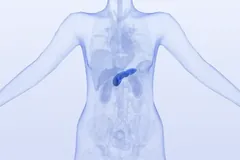
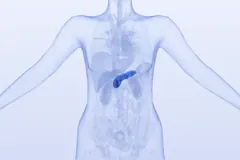

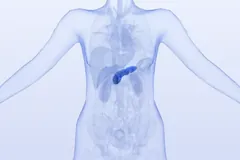
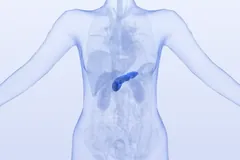


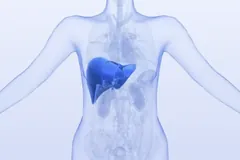
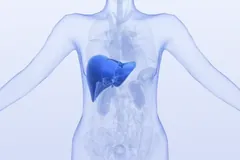
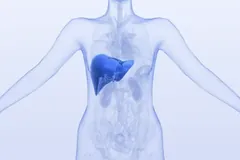
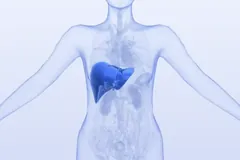
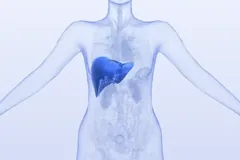
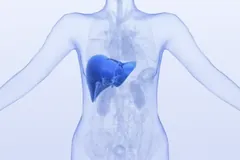
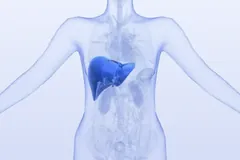
Liver (7)
In studies, on average. Not a promise for any one person.
- Less liver inflammationSmall or uncontrolled studies · Vilar-Gomez et al., Gastroenterology 2015
In a one-year study of 293 people with fatty-liver inflammation, it went away in 25% of everyone and in 90% of those who lost 10% or more. No comparison group.
- Better liver biopsy resultsSmall or uncontrolled studies · Promrat et al., Hepatology 2010
In a small trial of 31 people with fatty-liver inflammation, 72% in a lifestyle programme improved on biopsy, against 30% in the comparison group.
- Less liver fatSmall or uncontrolled studies · Lazo et al., Diabetes Care 2010
In 96 people with type 2 diabetes, liver fat fell by 50.8% in a year in a lifestyle programme, against 22.8% in the comparison group.
- Remission of fatty liverRandomised trials · Wong et al., J Hepatol 2013
In a trial of 154 adults, 64% in a lifestyle programme had their fatty liver in remission after a year, against 20% with usual care.
- Fatty liver can go awayLong-term or observational studies · Zelber-Sagi et al., J Hepatol 2012
In 66 adults with fatty liver followed for 7 years, about 1 in 3 no longer had it, and 3 in 4 of those who lost 5% or more.
- Less liver fat with exerciseRandomised trials · Katsagoni et al., Metabolism 2017
In 20 trials with 1,073 people with fatty liver, exercise lowered liver fat, even when weight did not change.
- Lower liver stiffness with dietLong-term or observational studies · Haigh et al., Clin Nutr 2022
In 26 studies with 3,037 adults with fatty liver, calorie-reduced and Mediterranean diets lowered liver enzymes, liver fat and liver stiffness.
Sleep (7)
In studies, on average. Not a promise for any one person.
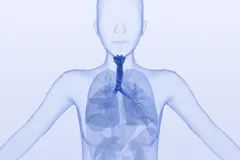
- Milder sleep apneaLong-term or observational studies · Peppard et al., JAMA 2000
In a 4-year study of 690 adults, losing 10% went with apnea about 26% less severe on average.
- More people free of apneaRandomised trials · Foster et al., Arch Intern Med 2009
In a trial of 264 people with type 2 diabetes, obesity and sleep apnea, about 14% in a weight-loss programme were free of apnea after a year, against about 4%.
- Fewer cases of mild apneaSmall or uncontrolled studies · Tuomilehto et al., Am J Respir Crit Care Med 2009
In a trial of 72 people with mild apnea, those on a very low calorie diet with counselling had about a quarter of the comparison group's odds of still having it a year later.
- Fewer breathing pauses at nightSmall or uncontrolled studies · Johansson et al., BMJ 2009
In a small trial of 63 men with obesity and sleep apnea, a supervised very low calorie diet meant 23 fewer breathing events an hour than the comparison group after 9 weeks.
- Lasting gains for sleep apneaRandomised trials · Kuna et al., Sleep 2013
In a trial of 264 people with type 2 diabetes, obesity and sleep apnea, about 21% in a weight-loss programme were free of apnea after 4 years, against about 4%.
- Fewer breathing pauses with diet or exerciseRandomised trials · Edwards et al., Respirology 2019
In 10 trials with 702 people with sleep apnea, diet and exercise programmes meant about 8 fewer breathing events an hour than comparison groups.
- Less daytime sleepinessLong-term or observational studies · Carneiro-Barrera et al., Obes Rev 2019
In a review of 35 studies with 1,420 adults with sleep apnea, lifestyle programmes eased daytime sleepiness as well as breathing pauses at night.

Joints (7)
In studies, on average. Not a promise for any one person.
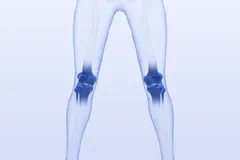
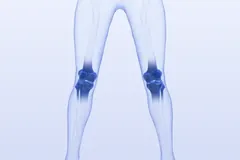
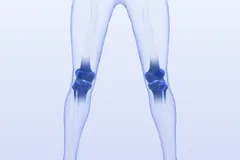
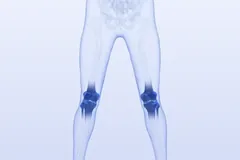
- Less load on the kneeLong-term or observational studies · Messier et al., Arthritis Rheum 2005
In 142 older adults with knee osteoarthritis, each kilogram lost went with about 4 kilograms less load with every step.
- Lower risk of knee arthritisLong-term or observational studies · Felson et al., Ann Intern Med 1992
In 796 women, those whose BMI fell by 2 points or more over 10 years had less than half the odds of painful knee osteoarthritis.
- Easier movementRandomised trials · Christensen et al., Ann Rheum Dis 2007
In 4 trials with 454 people with knee osteoarthritis, physical disability could improve once weight fell by more than 5%.
- Less knee painRandomised trials · Messier et al., JAMA 2013
In a trial of 454 older adults with knee osteoarthritis, diet plus exercise led to less pain and better function than either alone.
- Slightly less knee painRandomised trials · Messier et al., JAMA 2022
In a community trial of 823 adults with knee osteoarthritis, a diet and exercise programme brought 8% weight loss and slightly less knee pain after 18 months.
- Better mobilityRandomised trials · Rejeski et al., NEJM 2012
In a trial of 5,145 adults with type 2 diabetes, a weight-loss and activity programme meant a 48% lower risk of losing mobility over 4 years.
- More weight lost, more reliefSmall or uncontrolled studies · Atukorala et al., Arthritis Care Res 2016
In 1,383 people with knee osteoarthritis in an 18-week programme, the more weight they lost the better their symptoms, with about 8% needed for a noticeable gain in function.
Brain and mood (7)
In studies, on average. Not a promise for any one person.
- Fewer depression symptomsRandomised trials · Rubin et al., Diabetes Care 2014
In a trial of 5,145 people with type 2 diabetes, a weight-loss programme lowered the risk of developing depression symptoms by 15% over 8 years.
- Small gains in memoryLong-term or observational studies · Siervo et al., Obes Rev 2011
A pooled analysis of 12 studies found small improvements in memory and attention with weight loss in people with obesity.
- Better mental quality of lifeRandomised trials · Jones et al., Obes Rev 2021
In 42 trials of weight-loss programmes built on changing habits, people had fewer depression symptoms and better mental quality of life than comparison groups. This held at the end of the programme and 12 months from the start.
- Sharper thinking in older ageRandomised trials · Napoli et al., Am J Clin Nutr 2014
In a one-year trial of 107 older adults with obesity and frailty, diet, exercise or both improved thinking test scores more than in the control group.
- Fewer low moods on a lower-calorie dietRandomised trials · Paris et al., Adv Nutr 2024
Across 13 randomised trials in adults with conditions such as obesity, type 2 diabetes or high blood pressure, diet programmes went with a small drop in depression symptoms compared with control groups. The drop was a little larger with lower-calorie diets.
- Better body imageLong-term or observational studies · Chao, PLoS One 2015
In a review of 7 studies of weight-loss programmes, 4 found better body image than in comparison groups. Pooled results showed less worry about body shape and size and more body satisfaction.
- More energy and better mental healthRandomised trials · Imayama et al., Int J Behav Nutr Phys Act 2011
In a one-year trial of 439 women after menopause with overweight or obesity, diet plus exercise did better than no programme. Energy, mental health and everyday physical function improved, and stress fell.







Gut (5)
In studies, on average. Not a promise for any one person.
- Richer gut bacteriaSmall or uncontrolled studies · Cotillard et al., Nature 2013
In 49 people, the variety of genes in their gut bacteria rose during a weight-loss diet in those who started low. No comparison group.
- Less heartburnSmall or uncontrolled studies · Singh et al., Obesity 2013
In a 6-month programme with 332 adults, the share with reflux fell from 37% to 15%. No comparison group.
- Better odds of reflux easingLong-term or observational studies · Ness-Jensen et al., Am J Gastroenterol 2013
In a long-term study of 29,610 adults, a fall in BMI of more than 3.5 points went with about 2 to 4 times the odds of losing reflux symptoms.
- More varied gut bacteriaRandomised trials · García-Gavilán et al., Am J Clin Nutr 2024
In a trial of 400 older adults, a lower-calorie Mediterranean diet with more activity meant more weight lost. The variety of gut bacteria in that group rose over a year.
- Fewer bowel leaksLong-term or observational studies · Markland et al., Int Urogynecol J 2011
In 338 women with overweight or obesity and urine leaks, losing at least 5 kg went with fewer episodes of liquid bowel leaks.

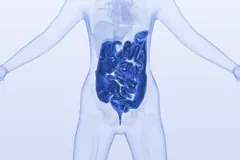

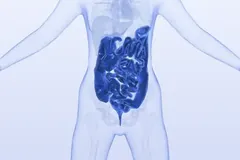
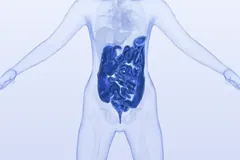
Fat (6)
In studies, on average. Not a promise for any one person.
- Less fat around the organsSmall or uncontrolled studies · Gepner et al., Circulation 2018
In an 18-month trial of 278 adults on diet programmes, with or without exercise, fat around the organs fell by 22% and fat in the liver by 29%. No group went without a programme.
- Deep fat can go tooLong-term or observational studies · Verheggen et al., Obes Rev 2016
A review of 117 studies with 4,815 people found that both diet and exercise can reduce the fat around the organs.
- Less fat inside the bellySmall or uncontrolled studies · Ross et al., Ann Intern Med 2000
In a small trial of 52 men with obesity, losing 8% through diet or through exercise reduced the fat inside the abdomen.
- Lower inflammation markersRandomised trials · Esposito et al., JAMA 2003
In a 2-year trial of 120 women with obesity, a lower-calorie Mediterranean-style diet with more activity lowered CRP and other blood markers of inflammation more than general advice.
- More exercise, less deep fatRandomised trials · Recchia et al., Br J Sports Med 2023
In 40 trials with 2,190 adults with overweight or obesity, both exercise and eating fewer calories reduced fat around the organs. With exercise, burning more energy each week went with more deep fat lost.
- Smaller waist, less inflammationRandomised trials · Rahimi et al., Biol Res Nurs 2022
In 6 trials with 1,246 adults with metabolic syndrome, a cluster of heart risk factors, diet and activity programmes took about 3 cm off the waist and lowered markers of inflammation.
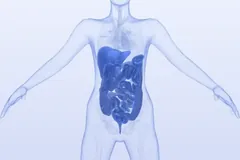
Intimate health (6)
In studies, on average. Not a promise for any one person.
- Better erectionsRandomised trials · Esposito et al., JAMA 2004
In a trial of 110 men with obesity and erectile dysfunction, 31% in a weight-loss and activity programme reached a normal erectile function score after 2 years, against about 5% with general advice.
- Fewer urine leaksRandomised trials · Subak et al., NEJM 2009
In a trial of 338 women, weekly leaks fell by 47% in a weight-loss programme, against 28% in the comparison group.
- Easier hot flushesRandomised trials · Huang et al., Arch Intern Med 2010
In a trial in women with overweight or obesity, a weight-loss programme improved bothersome hot flushes more than a health education programme did.
- Better sexual function in womenRandomised trials · Wing et al., Diabetes Care 2013
In a trial of women with obesity and type 2 diabetes, 28% of those with sexual dysfunction in a weight-loss programme were free of it after a year, against 11%.
- Higher testosteroneLong-term or observational studies · Camacho et al., Eur J Endocrinol 2013
In 2,395 men aged 40 to 79 followed for about 4 years, weight loss went with a rise in testosterone and weight gain with a fall.
- Fewer urine leaks in menRandomised trials · Breyer et al., J Urol 2014
In 1,910 men with obesity and type 2 diabetes, a weight-loss programme lowered the odds of urine leaks by 38% after a year.

Whole body (6)
In studies, on average. Not a promise for any one person.
- Lower risk of deathRandomised trials · Ma et al., BMJ 2017
In 34 randomised trials in adults with obesity, weight-loss diet programmes went with about 6 fewer deaths per 1,000 people than comparison groups.
- Linked with lower risk of some cancersLong-term or observational studies · Luo et al., JNCI Cancer Spectr 2019
In 58,667 postmenopausal women, intentional weight loss went with a 12% lower risk of obesity-related cancers.
- 13 cancer types linked with excess fatLong-term or observational studies · Lauby-Secretan et al., NEJM 2016
A WHO cancer agency group found sufficient evidence that not having excess body fat lowers the risk of 13 cancers. Proof that losing weight does the same is still being established.
- Fewer deaths over 30 yearsRandomised trials · Gong et al., Lancet Diabetes Endocrinol 2019
In a Chinese trial of 577 adults with raised blood sugar, 6 years of diet and exercise programmes went with a 26% lower risk of death over 30 years. They also went with about 1.4 years longer life.
- Lower risk of serious kidney diseaseRandomised trials · Look AHEAD Research Group, Lancet Diabetes Endocrinol 2014
In a trial of 5,145 adults with type 2 diabetes, a weight-loss programme went with about 31% lower risk of kidney disease in the highest risk category over 8 years.
- Stronger in later lifeRandomised trials · Villareal et al., NEJM 2011
In a trial of 107 adults aged 65 and over with obesity, diet plus exercise raised a physical performance score by 21%, against 1% in the comparison group.





Later life (5)
In studies, on average. Not a promise for any one person.
- Less tiredness in later lifeRandomised trials · Nicklas et al., J Gerontol A Biol Sci Med Sci 2019
In 180 adults aged 65 to 79, eating fewer calories alongside exercise eased tiredness more than exercise alone.
- Stronger muscles in later lifeRandomised trials · Villareal et al., N Engl J Med 2017
In 160 older adults with obesity, weight loss with strength or combined exercise raised strength by about 18%.
- Easier walking and daily lifeRandomised trials · Nicklas et al., Am J Clin Nutr 2015
In 126 adults aged 65 to 79, adding weight loss to strength training went with a faster 400 m walk and less reported disability.
- Better blood sugar in later lifeRandomised trials · Bouchonville et al., Int J Obes 2014
In 107 frail adults aged 65 or older with obesity, losing about 9 to 10 kg went with better blood sugar, waist and blood pressure.
- Better quality of life at 65 to 75Randomised trials · Serra-Prat et al., J Frailty Aging 2022
In 305 adults aged 65 to 75 with obesity, a diet and activity programme improved self-reported quality of life and walking speed, but did not prevent frailty.



Money and work (5)
These studies look at weight bias and at links with weight. Most did not test what changes after losing weight.
- Pay gap linked with obesity, in women over 50Long-term or observational studies · Lundborg et al., Adv Health Econ Health Serv Res 2007
Across 10 European countries, women aged 50 and over with obesity earned about 10% less than women without obesity.
- Pay gap linked with obesityLong-term or observational studies · Danso et al., Obes Rev 2026
In a review of 17 studies from high-income countries, people with obesity earned about 5% less on average.
- Fewer callbacks for a heavier-looking photoRandomised trials · Rooth, J Hum Resour 2009
Identical job applications with a photo edited to show obesity got fewer interview callbacks: about 6 percentage points fewer for men and 8 for women.
- Income gap for women with higher BMILong-term or observational studies · Tyrrell et al., BMJ 2016
In 119,669 UK adults, women with a BMI about 4.6 points higher had about £1,900 less household income a year.
- Hiring bias against candidates with obesityRandomised trials · Flint et al., Front Psychol 2016
181 workers rated candidates with obesity as less suitable for a job than candidates of normal weight.




Dating (3)
These studies look at weight bias and at links with weight. Most did not test what changes after losing weight.
- Leaner-looking faces rated more attractiveSmall or uncontrolled studies · Foo, Simmons and Rhodes, Sci Rep 2017
In photos of 181 young adults, faces that looked like they carried less fat were rated more attractive, in both men and women.
- Fewer new relationships, in women studentsLong-term or observational studies · van Woerden et al., PLoS One 2020
Among single first-year students, each extra BMI point went with 9% lower odds of starting a relationship within 4 months, a link seen only in women.
- Living with a partner linked with BMI, differently for women and menLong-term or observational studies · Howe et al., Int J Epidemiol 2020
In 378,244 people, women with a BMI above about 31 were less likely to live with a partner, and so were men with a BMI below about 23.5.



Why (6)
- Genes explain much of the difference in BMIStunkard et al., NEJM 1990
In a study of twins raised apart, genes explained about two thirds of the differences in BMI.
- Years of lifeProspective Studies Collaboration, Lancet 2009
In 57 studies with almost 900,000 adults, a BMI of 40 to 45 went with 8 to 10 fewer years of life, comparable with smoking. At 30 to 35 it was 2 to 4 years.
- Heart failure riskKenchaiah et al., NEJM 2002
In a study of 5,881 people, those with obesity had about twice the risk of heart failure of people with a normal BMI.
- Fatty liverQuek et al., Lancet Gastroenterol Hepatol 2023
In pooled studies of 101,028 people, about 7 in 10 people with overweight had a fatty liver.
- The body burns less after weight lossLeibel et al., NEJM 1995
In 41 adults kept 10% or more below their usual weight, the body burned less energy for each kilogram of lean (non-fat) body mass, a change that works against keeping the weight off.
- Four or more illnesses at onceKivimäki et al., Lancet Diabetes Endocrinol 2022
In 114,657 adults followed for about 12 years, obesity went with about 12 times the risk of developing four or more diseases, compared with a healthy weight.
Results from studies in groups of people, mostly in diet and movement programmes. They cannot be promised to any one person. This information is educational and does not replace a consultation with a doctor.
3D organs: Human Reference Atlas, HuBMAP, CC BY 4.0, adapted. Body: MakeHuman, CC0.
Studies for your numbers
Choose your height and weight. You see your BMI, what 5, 10 and 15% of your weight is, and the strongest studies done in people like you. Nothing is saved or sent.
Height
Weight
The strongest studies for your numbers
These studies included people with obesity.
- Lower risk of serious heart eventsHeart · Long-term or observational studies · Gregg et al., Lancet Diabetes Endocrinol 2016
- Slightly less knee painJoints · Randomised trials · Messier et al., JAMA 2022
- Less knee painJoints · Randomised trials · Messier et al., JAMA 2013
- More than 5% for clearer blood sugar gainsMetabolism · Randomised trials · Franz et al., J Acad Nutr Diet 2015
You can talk to a doctor now. Book a consultation
The next step is a conversation, not a decision
A licensed doctor decides whether any treatment is right for you. The answer can also be no treatment.
 1
You fill in a short form
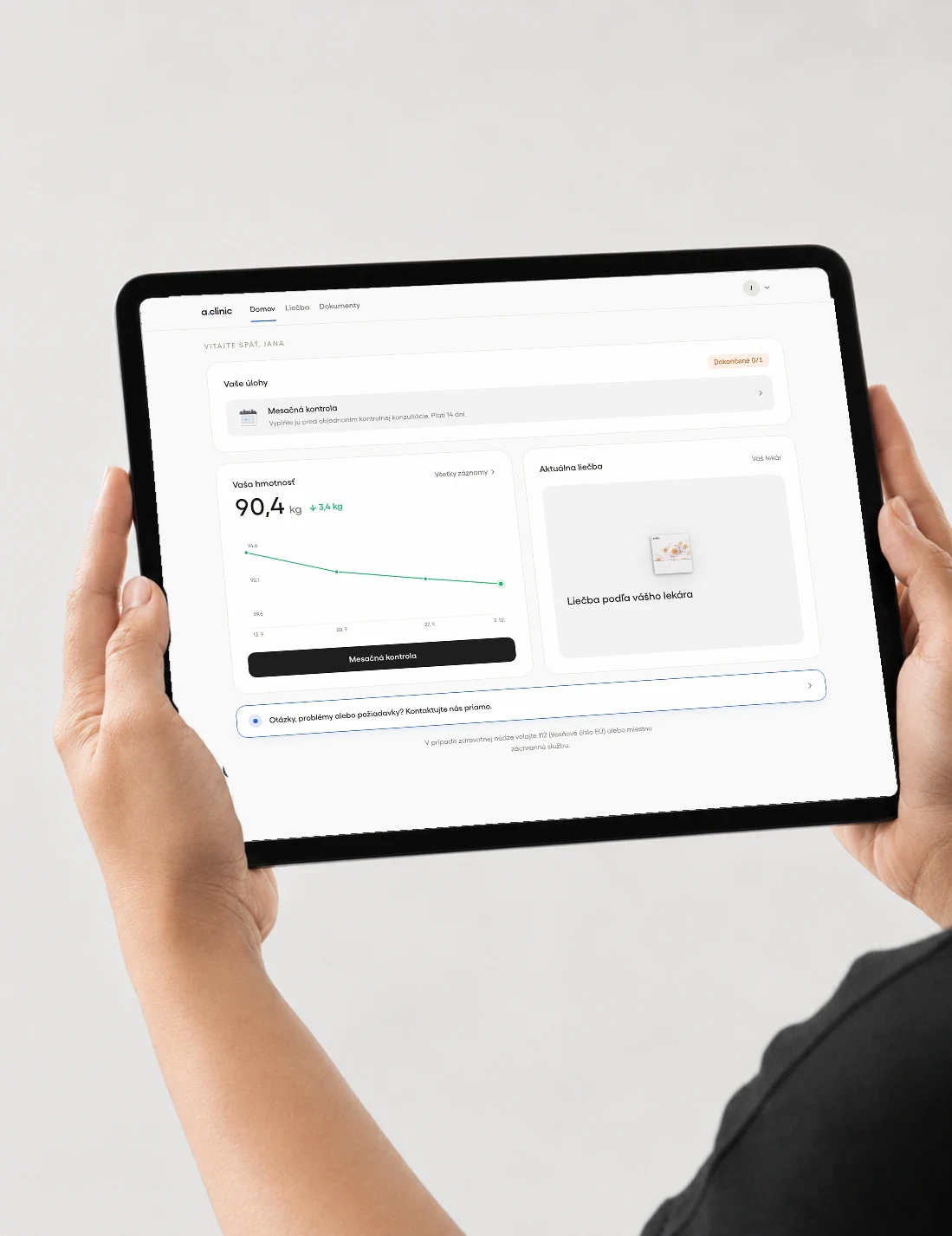 2
We call you within 24 hours
 3
A paid 20-minute video consultation with a doctor
 4
The doctor goes through your options and decides what is right for you
Social life (4)
These studies look at weight bias and at links with weight. Most did not test what changes after losing weight.
In 38 men with a BMI of 35 or more, losing about 14% of their weight went with better social functioning scores that lasted to follow-up.
In a national US survey, about 4 in 10 adults with a BMI of 35 or more reported discrimination because of their weight or height.
In three studies, shoppers with obesity met more subtle unfriendly treatment from staff than average-weight shoppers, in some test conditions.
In a German study of adults aged 40 and over, women whose BMI fell below 30 felt less socially isolated afterwards.