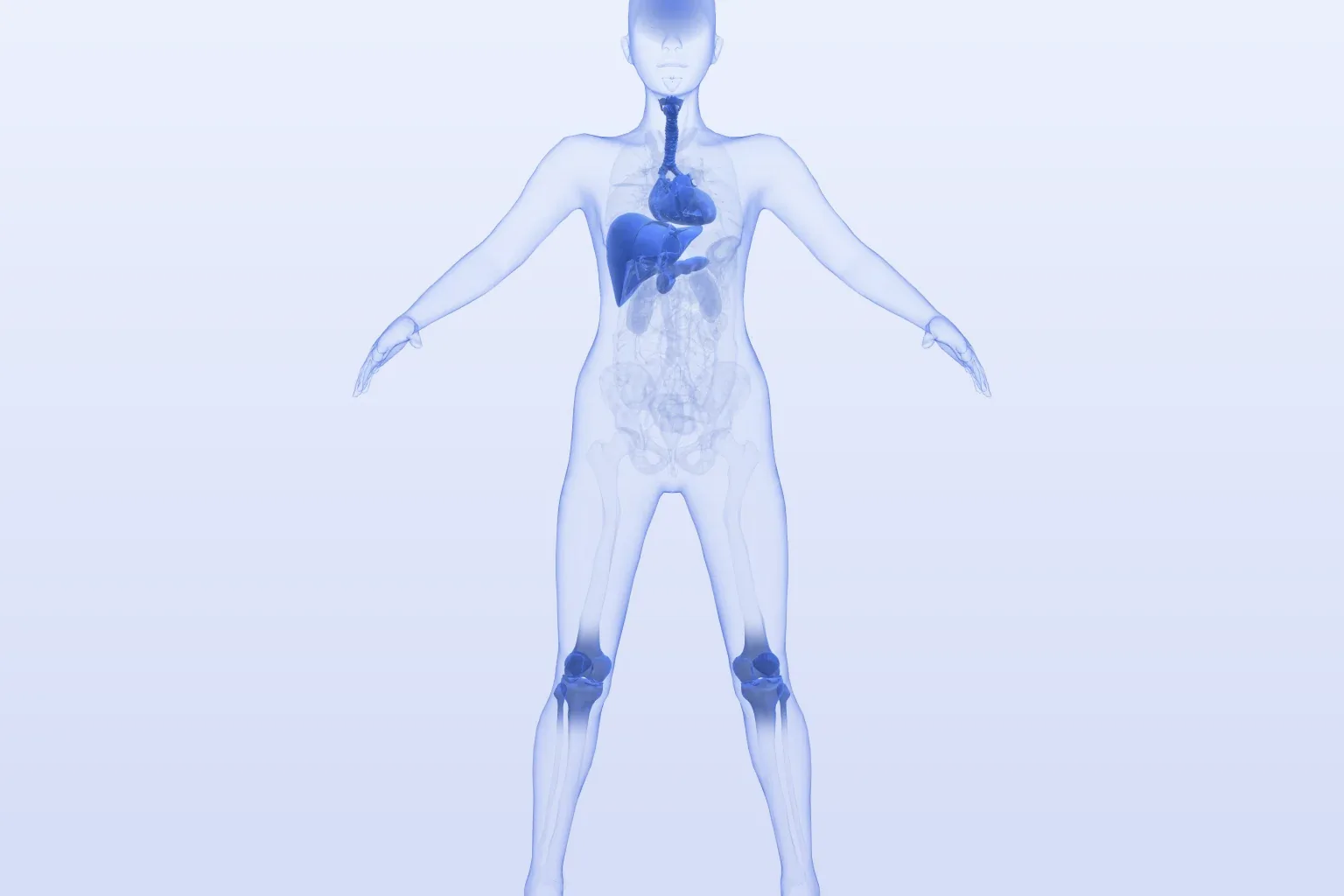
Linked with lower risk of some cancers
- Published in
- JNCI Cancer Spectr 2019
- People studied
- 58,667
In 58,667 postmenopausal women, intentional weight loss went with a 12% lower risk of obesity-related cancers.
- Checked against
- PubMed 31737862
- Published in
- JNCI Cancer Spectr 2019
- Last checked
- 30 October 2026
Key takeaway
This study followed 58,667 postmenopausal women in the US. Women who intentionally lost 5% or more of their weight over 3 years had a 12% lower risk of obesity-related cancers over about 12 years than women whose weight stayed stable. The link was strongest for cancer of the womb lining (endometrial cancer).
At a glance
- Type of study
- long-term observational study (Women's Health Initiative)
- People studied
- 58,667
- How long
- weight change over 3 years, then about 12 years of follow-up
- Compared with
- women whose weight stayed stable
- Main result
- 12% lower risk of obesity-related cancers with intentional weight loss.
- Strength of evidence
- Long-term or observational studies
What this study does not show
An observational study, so it shows an association, not proof that weight loss caused the lower risk. Only postmenopausal women were studied, and whether weight loss was intentional was self-reported.
Results from studies in groups of people, mostly in diet and movement programmes. They cannot be promised to any one person. This information is educational and does not replace a consultation with a doctor.
More on whole body
- Lower risk of deathRandomised trials · Ma et al., BMJ 2017
- Linked with lower risk of some cancersLong-term or observational studies · Luo et al., JNCI Cancer Spectr 2019
- 13 cancer types linked with excess fatLong-term or observational studies · Lauby-Secretan et al., NEJM 2016
- Fewer deaths over 30 yearsRandomised trials · Gong et al., Lancet Diabetes Endocrinol 2019
- Lower risk of serious kidney diseaseRandomised trials · Look AHEAD Research Group, Lancet Diabetes Endocrinol 2014
- Stronger in later lifeRandomised trials · Villareal et al., NEJM 2011
The next step is a conversation, not a decision
A licensed doctor decides whether any treatment is right for you. The answer can also be no treatment.
 1
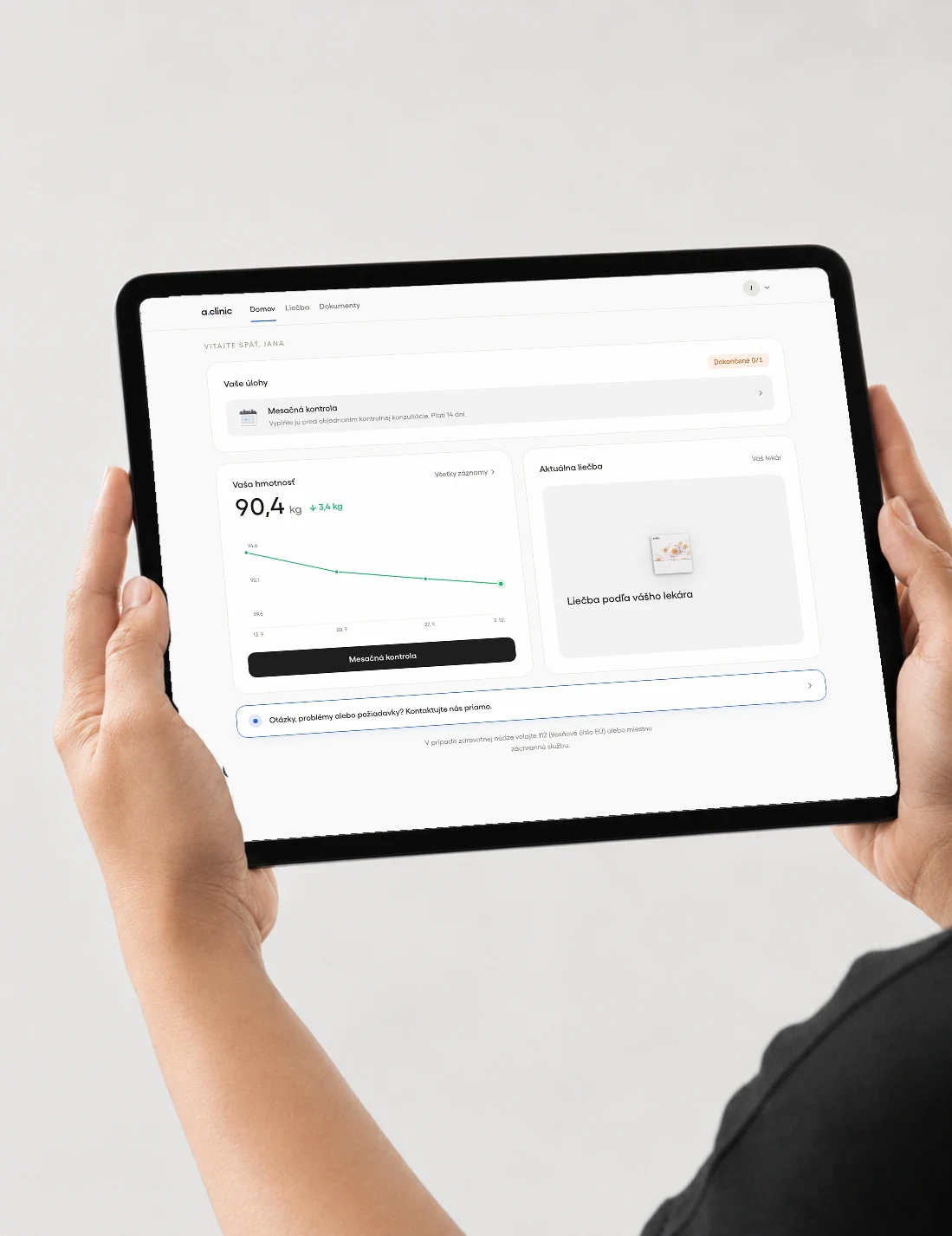
You fill in a short form
 2
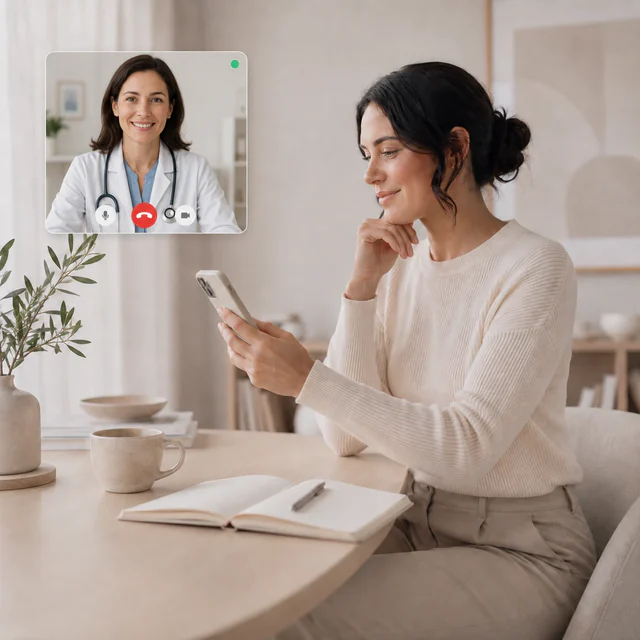
We call you within 24 hours
 3
A paid 20-minute video consultation with a doctor
 4
The doctor goes through your options and decides what is right for you