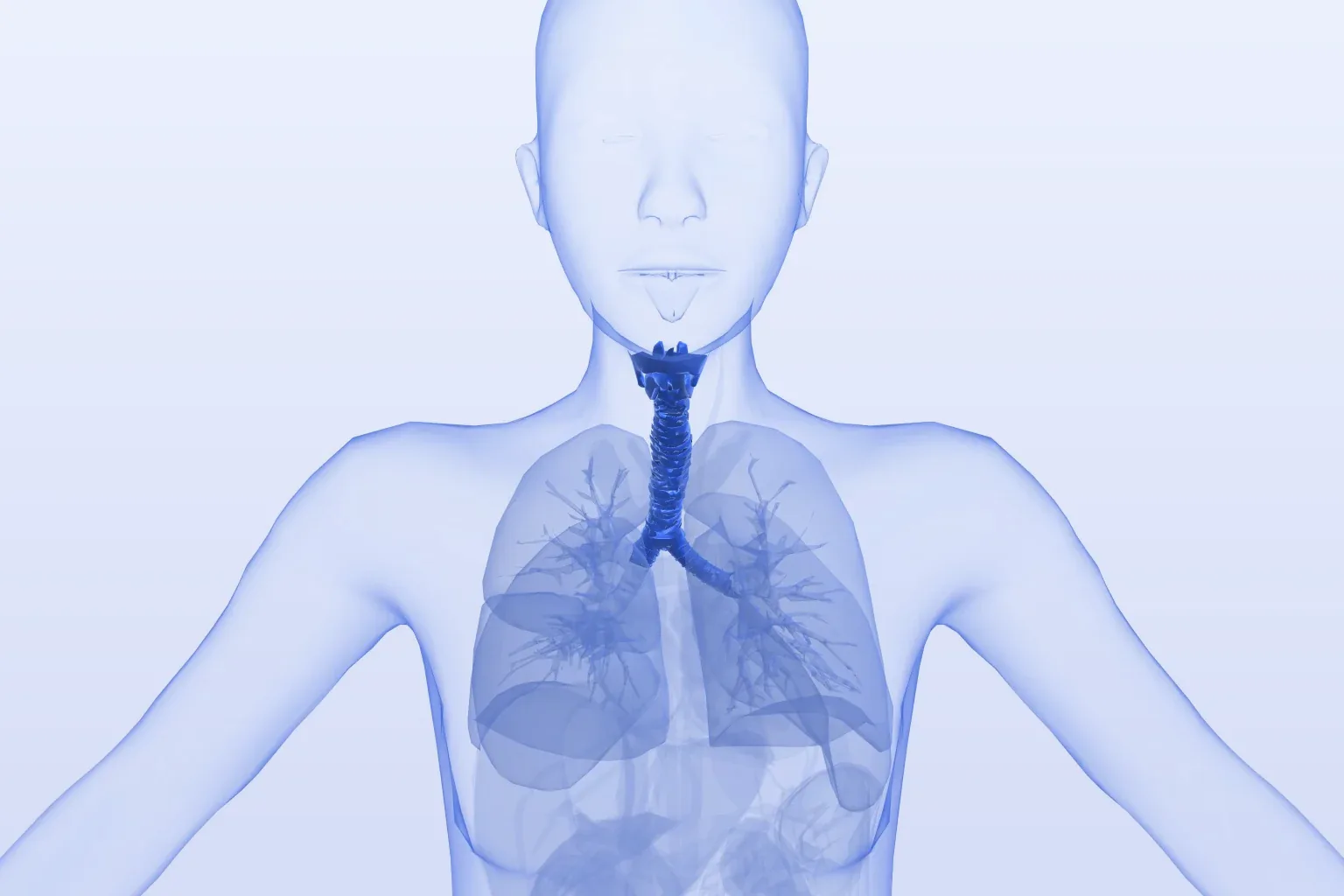
Milder sleep apnea
- Published in
- JAMA 2000
- People studied
- 690
In a 4-year study of 690 adults, losing 10% went with apnea about 26% less severe on average.
- Checked against
- PubMed 11122588
- Published in
- JAMA 2000
- Last checked
- 30 October 2026
Key takeaway
This study followed 690 working adults in Wisconsin and measured their breathing during sleep twice, 4 years apart. Compared with stable weight, losing 10% of body weight went with about a 26% drop in breathing pauses and shallow breaths per hour of sleep. Gaining 10% went with about a 32% rise.
At a glance
- Type of study
- long-term population study (cohort)
- People studied
- 690
- How long
- 4 years
- Compared with
- people whose weight stayed stable
- Main result
- Losing 10% went with apnea about 26% less severe.
- Strength of evidence
- Long-term or observational studies
What this study does not show
An observational study: it shows an association, not proof that weight loss caused the change. Most people were not in a weight-loss programme, and the 10% figure comes from a statistical model.
Results from studies in groups of people, mostly in diet and movement programmes. They cannot be promised to any one person. This information is educational and does not replace a consultation with a doctor.
More on sleep
- Milder sleep apneaLong-term or observational studies · Peppard et al., JAMA 2000
- More people free of apneaRandomised trials · Foster et al., Arch Intern Med 2009
- Fewer cases of mild apneaSmall or uncontrolled studies · Tuomilehto et al., Am J Respir Crit Care Med 2009
- Fewer breathing pauses at nightSmall or uncontrolled studies · Johansson et al., BMJ 2009
- Lasting gains for sleep apneaRandomised trials · Kuna et al., Sleep 2013
- Fewer breathing pauses with diet or exerciseRandomised trials · Edwards et al., Respirology 2019
- Less daytime sleepinessLong-term or observational studies · Carneiro-Barrera et al., Obes Rev 2019
The next step is a conversation, not a decision
A licensed doctor decides whether any treatment is right for you. The answer can also be no treatment.
 1
You fill in a short form
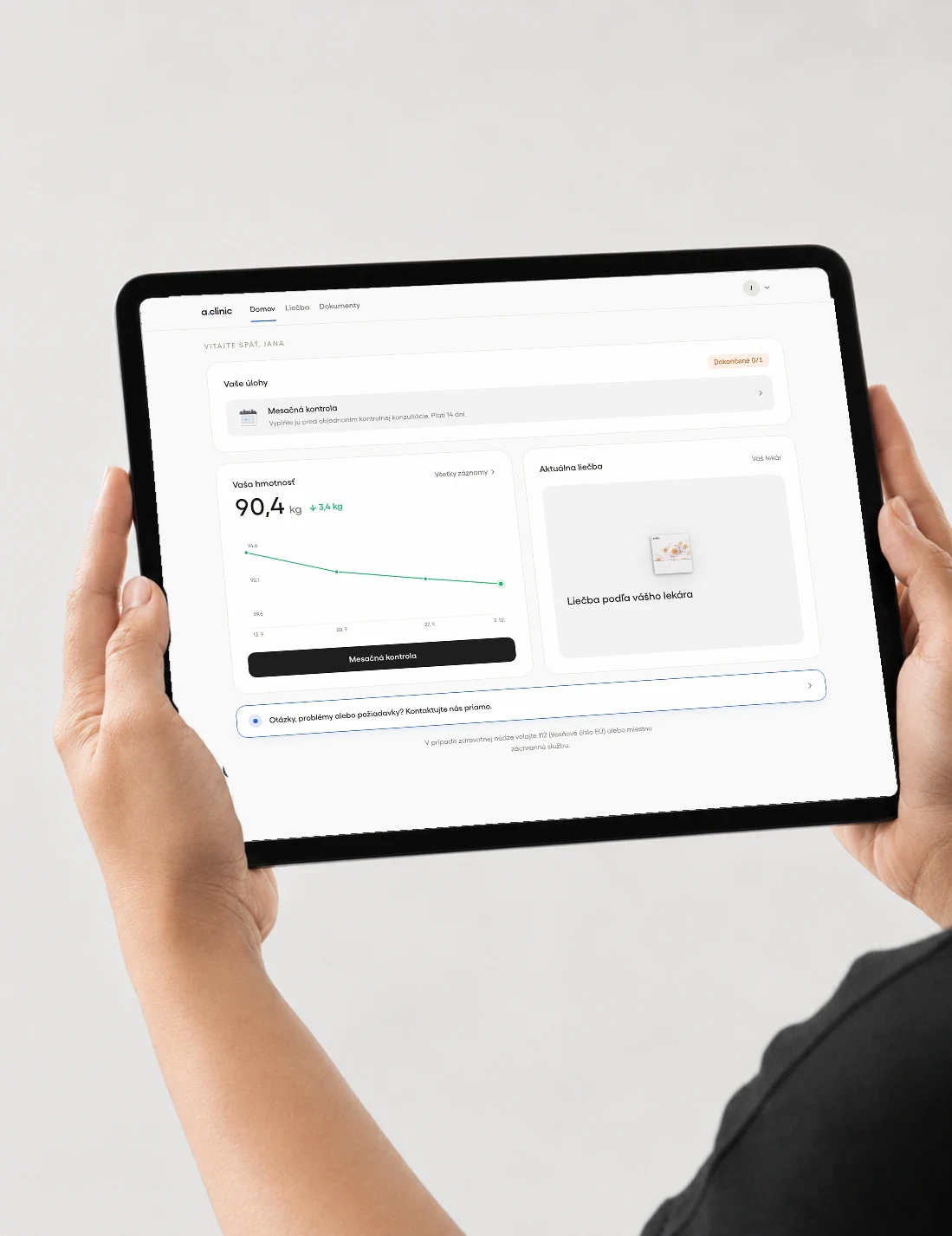 2
We call you within 24 hours
 3
A paid 20-minute video consultation with a doctor
 4
The doctor goes through your options and decides what is right for you