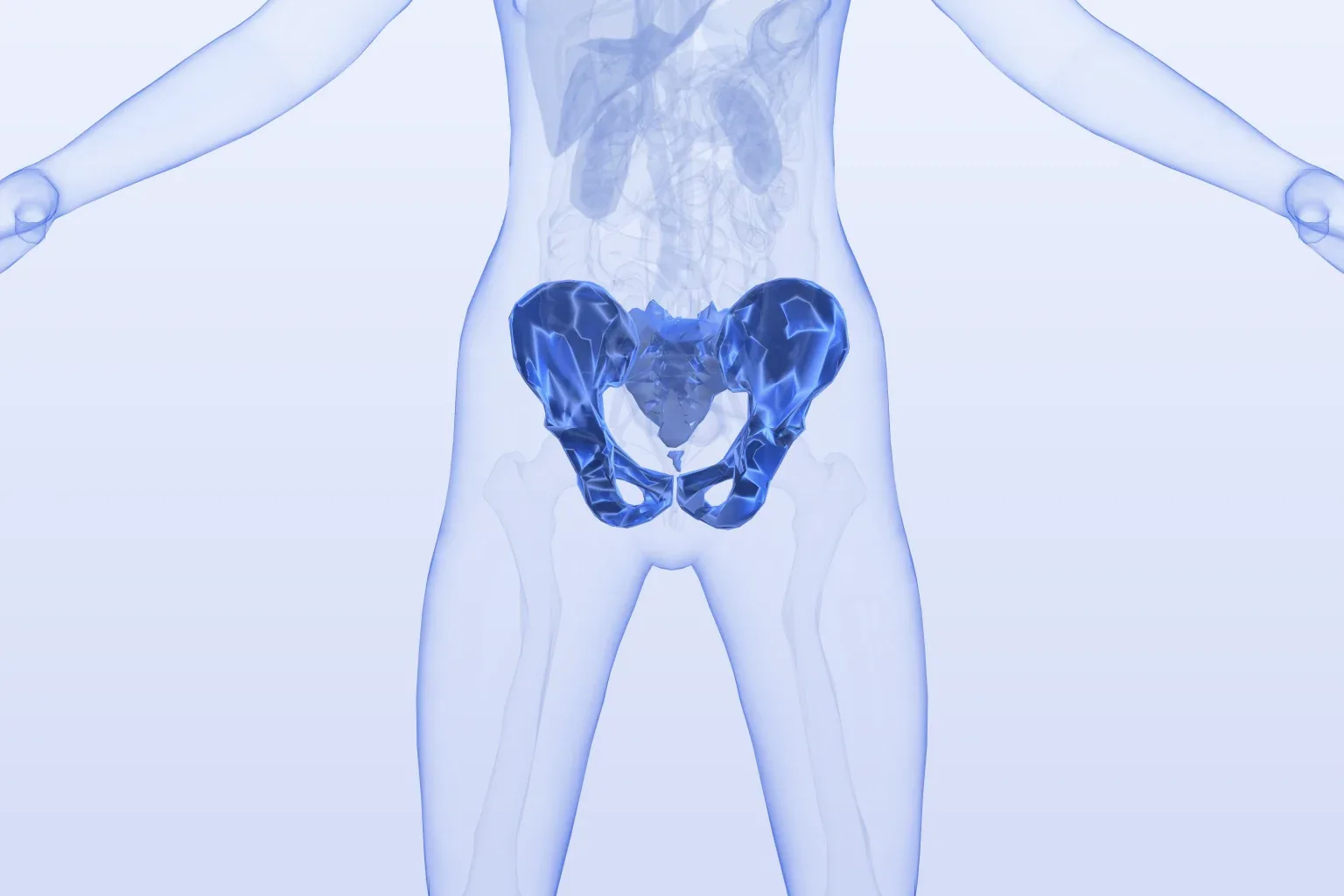
Higher testosterone
- Published in
- Eur J Endocrinol 2013
- People studied
- 2,395
In 2,395 men aged 40 to 79 followed for about 4 years, weight loss went with a rise in testosterone and weight gain with a fall.
- Checked against
- PubMed 23425925
- Published in
- Eur J Endocrinol 2013
- Last checked
- 30 October 2026
Key takeaway
The European Male Ageing Study followed men aged 40 to 79 in 8 European centres for about 4.4 years, with testosterone measured twice in 2,395 men. Losing weight went with a rise in testosterone in proportion to the weight lost, and gaining weight went with a fall. Free testosterone only changed clearly in men who lost or gained 15% or more of their weight.
At a glance
- Type of study
- long-term study of men in 8 European centres
- People studied
- 2,395
- How long
- about 4 years
- Compared with
- men whose weight stayed stable or rose
- Main result
- Weight loss went with higher testosterone, in proportion to the loss.
- Strength of evidence
- Long-term or observational studies
What this study does not show
An observational study: an association, not proof that weight loss raised testosterone. The abstract does not say how large the rise was.
Results from studies in groups of people, mostly in diet and movement programmes. They cannot be promised to any one person. This information is educational and does not replace a consultation with a doctor.
More on intimate health
- Better erectionsRandomised trials · Esposito et al., JAMA 2004
- Fewer urine leaksRandomised trials · Subak et al., NEJM 2009
- Easier hot flushesRandomised trials · Huang et al., Arch Intern Med 2010
- Better sexual function in womenRandomised trials · Wing et al., Diabetes Care 2013
- Higher testosteroneLong-term or observational studies · Camacho et al., Eur J Endocrinol 2013
- Fewer urine leaks in menRandomised trials · Breyer et al., J Urol 2014
The next step is a conversation, not a decision
A licensed doctor decides whether any treatment is right for you. The answer can also be no treatment.
 1
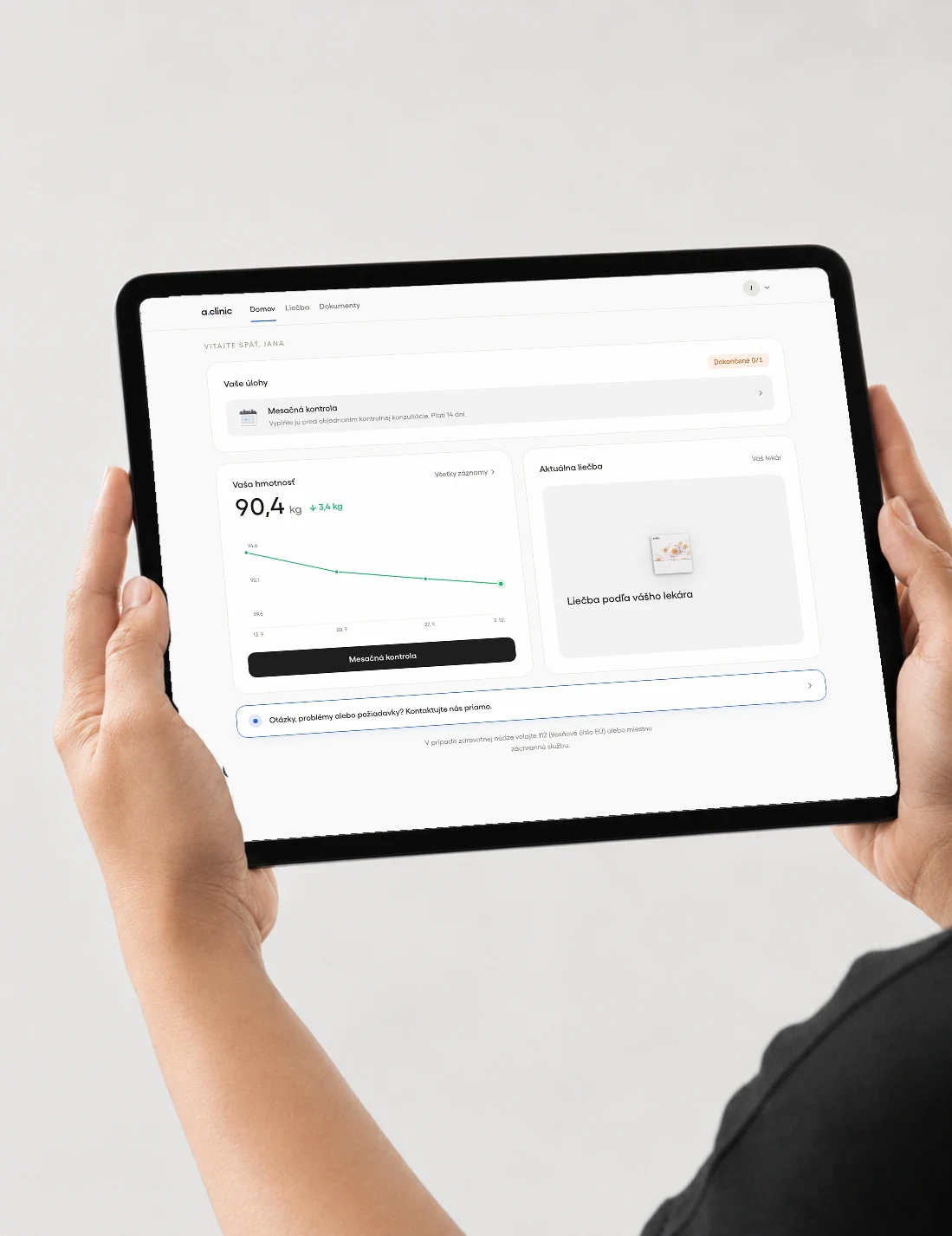
You fill in a short form
 2
We call you within 24 hours
 3
A paid 20-minute video consultation with a doctor
 4
The doctor goes through your options and decides what is right for you