Income gap for women with higher BMI
- Published in
- BMJ 2016
- People studied
- 119,669
In 119,669 UK adults, women with a BMI about 4.6 points higher had about £1,900 less household income a year.
- Checked against
- PubMed 26956984
- Published in
- BMJ 2016
- Last checked
- 30 October 2026
Key takeaway
This UK study of 119,669 adults aged 37 to 73 compared BMI with income, education and jobs, and used genes linked with BMI to test cause. For women, a BMI about 4.6 points higher went with about £1,900 less household income a year; for men the gap was about £200. The genetic analysis pointed the same way for women only, at about £2,900 a year.
At a glance
- Type of study
- genetic study (Mendelian randomisation) in UK Biobank, a large UK health database
- People studied
- 119,669
- Compared with
- people with a lower BMI
- Main result
- Women with higher BMI had about £1,900 less household income a year.
- Strength of evidence
- Long-term or observational studies
What this study does not show
This is household income, not personal pay. It looks at BMI over a lifetime, not at what happens after losing weight. Genetic methods point towards cause but rest on assumptions that cannot be fully checked, and everyone was of British ancestry.
Results from studies in groups of people, mostly in diet and movement programmes. They cannot be promised to any one person. This information is educational and does not replace a consultation with a doctor.
More on money and work
- Pay gap linked with obesity, in women over 50Long-term or observational studies · Lundborg et al., Adv Health Econ Health Serv Res 2007
- Pay gap linked with obesityLong-term or observational studies · Danso et al., Obes Rev 2026
- Fewer callbacks for a heavier-looking photoRandomised trials · Rooth, J Hum Resour 2009
- Income gap for women with higher BMILong-term or observational studies · Tyrrell et al., BMJ 2016
- Hiring bias against candidates with obesityRandomised trials · Flint et al., Front Psychol 2016
The next step is a conversation, not a decision
A licensed doctor decides whether any treatment is right for you. The answer can also be no treatment.
 1
You fill in a short form
 2
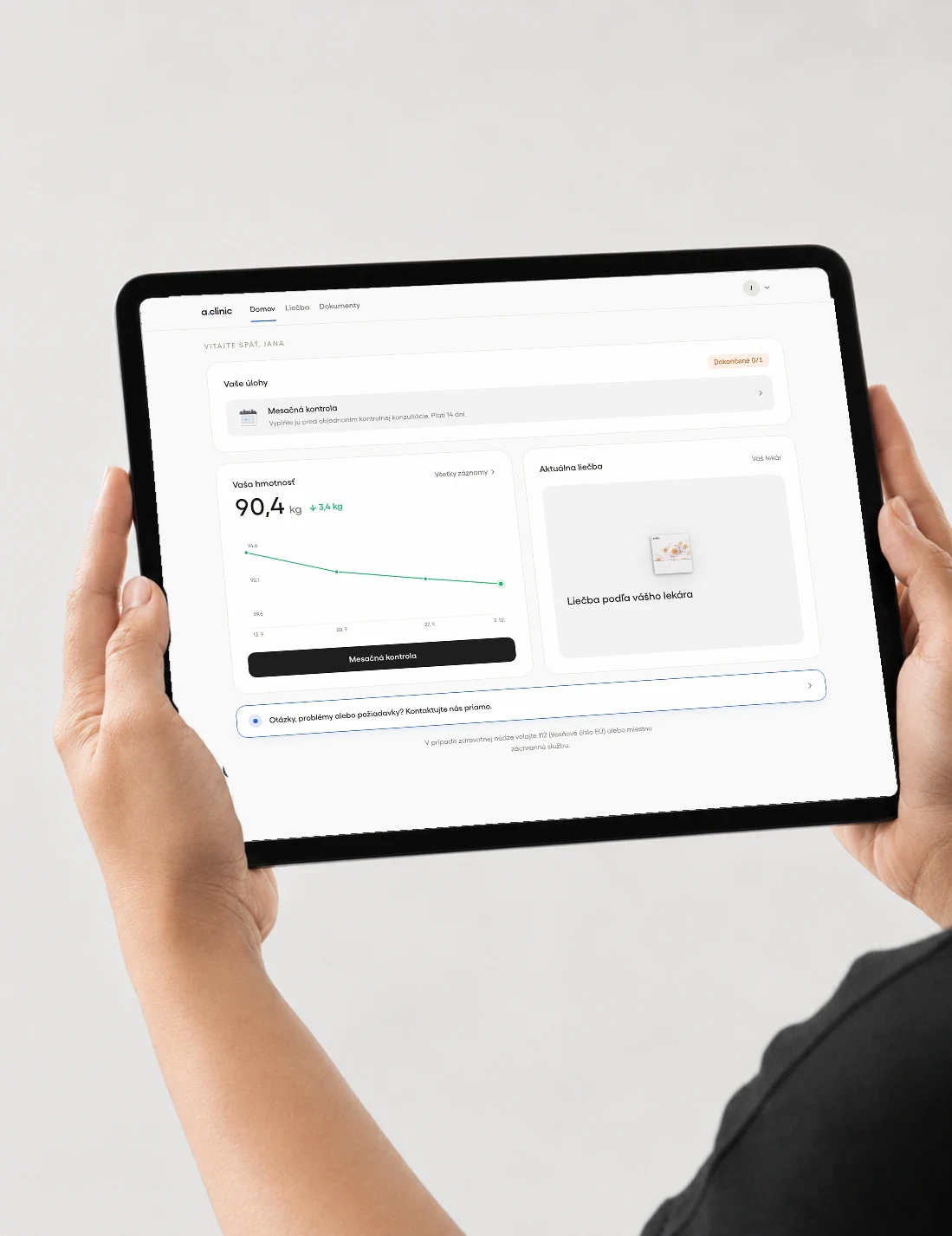
We call you within 24 hours
 3
A paid 20-minute video consultation with a doctor
 4
The doctor goes through your options and decides what is right for you